
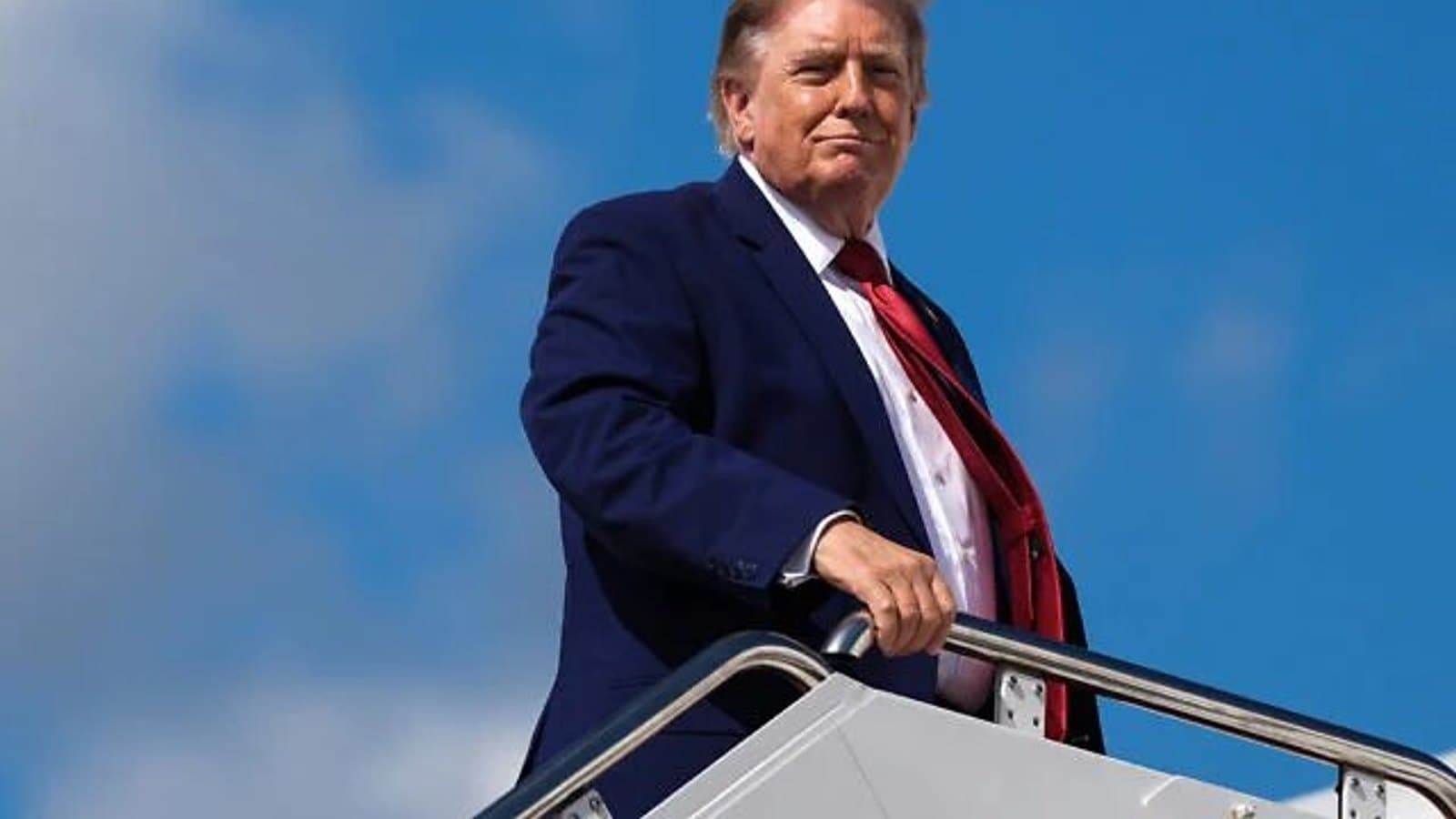
President Donald Trump told Barak Ravid of Channel 12 and Axios on Sunday that the United States is low keying the conflict with Iran and is only semi negotiating with Tehran. He said Washington is watching Iran cope with huge inflation and no money, and that it will work out because it always works out, comparing the situation to a chess game.
The policy this describes is the absence of one thing and the continuation of another. There are no strikes, and the naval blockade on shipping linked to Iran stays where it is. American officials say the president has been persuaded since last week to hold off, on the reasoning that a halt in the fighting forces the Iranian government to face its own economy rather than an external enemy. Iran's finances are described as bad enough that paying soldiers has become difficult.
The oil market has already absorbed the shock. Prices went above 100 dollars a barrel when Iran closed the Strait of Hormuz at the start of the war on 28 February, and have since fallen to around 75. The strait carried roughly a fifth of the world's seaborne oil before it shut. A price back near normal removes the argument that the closure is everyone's emergency, which is a change in Iran's position rather than in its conduct.
Against that, Tehran raised its price on Saturday, demanding the United States correct its behaviour before the strait reopens, and denying that direct talks are taking place. Reporting describes a split between the camp around President Masoud Pezeshkian, which favours an agreement, and Revolutionary Guards figures who oppose concessions. A strategy of waiting depends on which of those camps the waiting strengthens, and that is the part nobody in Washington can schedule.