
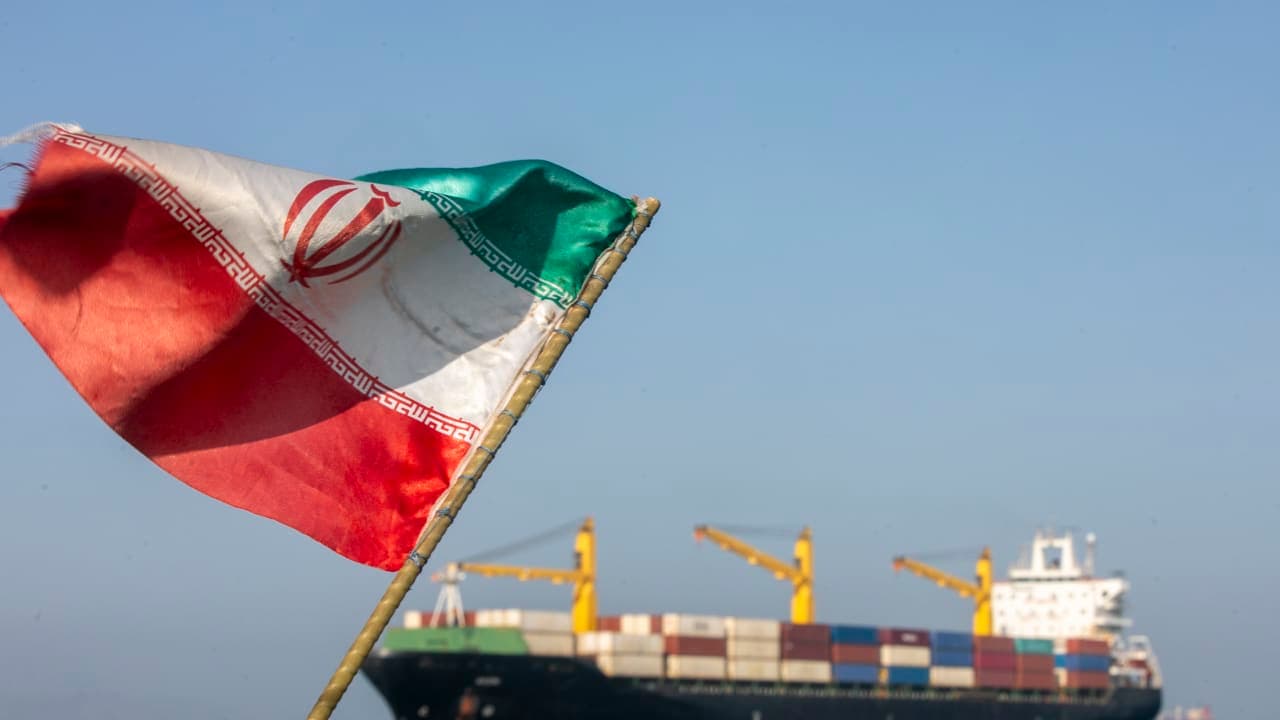
A senior Iranian official has claimed that the Islamic Republic is generating billions of dollars in revenue and successfully circumventing the ongoing American sanctions regime, according to Jerusalem Post. The remarks, attributed to top official Mohsen Rezaee, offer a rare public boast from within Iran's political establishment about the scale of the country's sanctions evasion network.
Rezaee reportedly stated that in just the past month or two, Iran sold seventy million barrels of oil, a figure that, if accurate, would represent a substantial volume of trade for a country nominally cut off from much of the international financial and shipping system. He went further, asserting that Iran now sells oil daily to American ships, claiming the volume matches whatever the country produces on a given day.
The comments, as reported by Jerusalem Post, are notable both for their specificity and for the political message they appear designed to send. Iranian officials have long sought to project an image of resilience in the face of Washington's maximum pressure campaign, which was first imposed after the United States withdrew from the 2015 nuclear deal and has been reinforced through successive rounds of sanctions targeting Iran's energy, banking, and shipping sectors.
If Rezaee's claims are accurate, they would suggest that Iran has built an increasingly sophisticated shadow fleet and financial network capable of moving crude oil to global markets while avoiding detection or enforcement by US authorities and their allies. Analysts have previously documented Iran's use of ship-to-ship transfers, flag-switching, and murky intermediary buyers, often tied to China, to keep oil exports flowing despite sanctions.
The assertion that Iran is selling oil directly to American vessels is a particularly striking claim, one that would imply a level of sanctions circumvention reaching into US commercial shipping interests themselves. Jerusalem Post's report does not detail how such transactions would be structured or verified, and the claim has not been independently confirmed by Western intelligence agencies or oil market analysts.
Rezaee, a longtime figure in Iran's political and security establishment with a background tied to the Islamic Revolutionary Guard Corps, has periodically made public statements aimed at bolstering domestic morale amid economic hardship. Iran's economy has suffered significant strain in recent years, with a devalued currency, high inflation, and constrained access to foreign currency reserves, all consequences widely attributed to sanctions pressure.
For Israeli policymakers and analysts, claims like those attributed to Rezaee carry direct security implications. Iran's oil revenue has long been viewed in Jerusalem as a key funding source for Tehran's regional proxy network, including groups in Lebanon, Syria, Iraq, and Yemen that Israel considers direct threats. Any indication that sanctions enforcement is faltering raises concerns about Iran's capacity to sustain and rearm these networks.
The claims also arrive against the backdrop of ongoing debate in Washington over the effectiveness of the sanctions regime itself. Critics of current US enforcement policy have argued that lax implementation, particularly regarding Chinese purchases of discounted Iranian crude, has allowed Tehran to maintain export volumes far above what sanctions architects originally intended. Proponents of tougher enforcement have called for expanded secondary sanctions on entities and vessels facilitating these sales.
It remains unclear whether Rezaee's specific figures reflect verified trade data or are intended primarily as political rhetoric for domestic and regional audiences. Iranian officials have a track record of making bold public statements about economic resilience that are difficult to substantiate through independent means, and outside observers have cautioned against taking such claims at face value without corroborating trade or shipping data.
Nonetheless, the statement underscores a broader reality acknowledged by many energy market analysts: despite years of sanctions, Iran has continued to find buyers for its oil, generating revenue that supports both its domestic economy and its regional ambitions. Whether the specific numbers cited by Rezaee prove accurate, the underlying trend of persistent Iranian oil exports amid sanctions is one that Israeli and American officials will likely continue to scrutinize closely in the months ahead.