
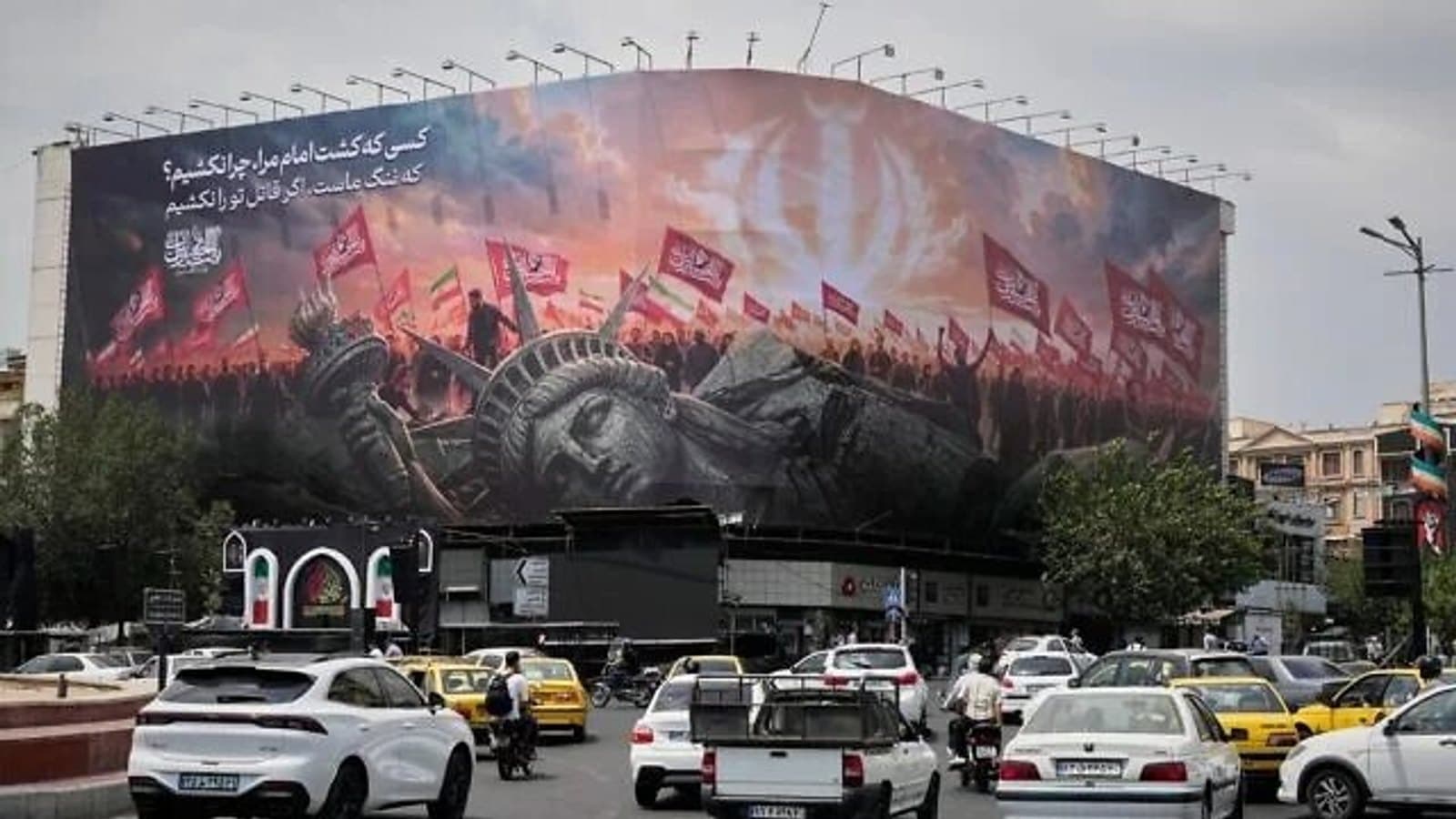
Iran's Supreme National Security Council said on Saturday that the Strait of Hormuz will stay shut until the United States corrects its behaviour. The statement came from its secretary, Mohammad Bagher Zolghadr, a Revolutionary Guards commander, and it lists what correction means: a permanent end to the war, American forces out of the region, the naval blockade of Iranian ports lifted, complete compensation for war damage, all sanctions lifted, frozen assets released unconditionally, and an undertaking never to threaten Iran again.
The significance is in where those items used to sit. Sanctions relief, compensation and the frozen assets were the substance of a final accord, the one that would also deal with the nuclear programme. They were points to be settled at the end of a long process. They are now the entry fee for reopening a shipping lane, which moves the whole negotiation backwards rather than forwards.
The timing is tight. The 60-day negotiating window agreed in June runs out in about a week, though it can be extended by agreement. Oman, which is carrying the messages, describes the discussions as proceeding in a positive and constructive atmosphere. Vice President JD Vance has said the Iranians told Washington they have no plans to toll the strait. Both of those things can be true while the strait stays closed, and it has.
Washington did not respond immediately. The blockade remains in force and transits remain low, which is the only part of this that is not a claim. Each side is now describing a process the other does not recognise, and the measurable facts, a closed strait and a blockade, have not moved in either direction.