
BenchmarksClosed 23 Oct
  • TA-354,124.13↓ -1.01%
  • TA-1254,034.99↓ -0.81%
  • USD/ILS3.10↓ -0.36%
Israel Today
PoliticsElections

Lieberman and Winter Agree on Military Service. Why Do Their Political Programs Still Differ?

Universal service has become a central issue for both Yisrael Beytenu and Amcha Israel.

By Noa Bar-LevPublished 4 min read
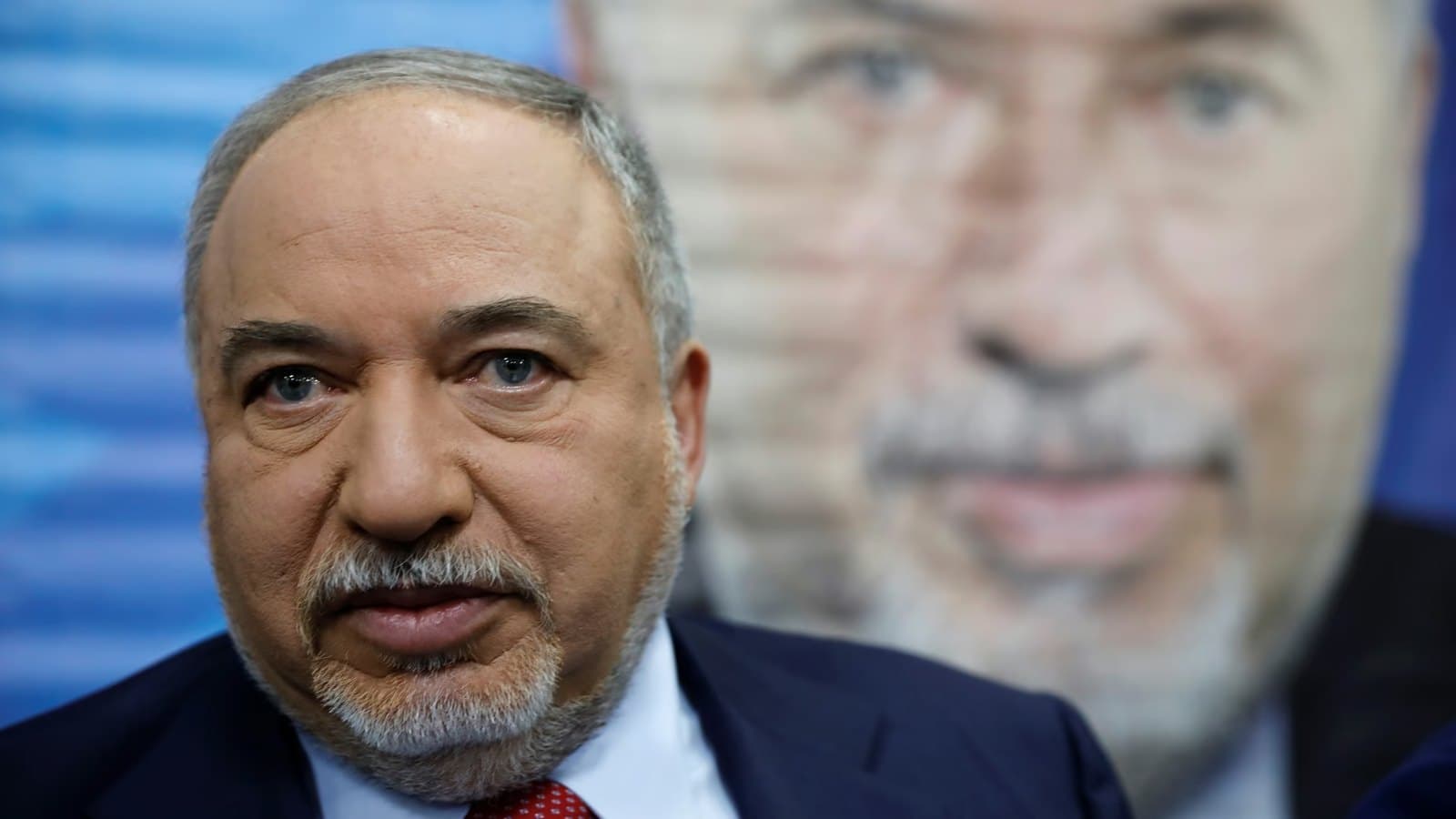
Avigdor Lieberman photographed in front of a blurred campaign poster bearing his own portrait.
Avigdor Lieberman photographed in front of a blurred campaign poster bearing his own portrait. · Photo: Amir Cohen/Reuters

Israel's military recruitment debate has become one of the most consequential issues of the 2026 election. Avigdor Lieberman and Ofer Winter both advocate changes to the arrangements governing military service, particularly among ultra-Orthodox Jewish men.

Lieberman's Yisrael Beytenu supports universal military or civilian service, together with sanctions addressing draft evasion. Winter's Amcha Israel places the interests of soldiers, reservists and their families at the center of its program and supports broader recruitment obligations. These positions share a concern about the distribution of national responsibilities.

Their differences concern the surrounding political and social agenda. Lieberman combines recruitment reform with a strongly secular approach to religion-and-state questions, including civil marriage and public transportation on Shabbat. Winter's public identity is associated with religious Zionism, and his platform places greater emphasis on Jewish national identity alongside military service. That distinction matters when evaluating the coalitions each politician could form.

Recruitment legislation requires agreement on exemptions, alternative service, enforcement, funding and the military's capacity to absorb recruits. It also requires consideration of people unable to serve for medical or other legitimate reasons. Neither a general commitment to equality nor a promise to reward service determines how those details will be settled.

Lieberman's experience provides a record of political disputes over draft legislation. Winter's proposals can be assessed for their intended structure and possible legal consequences.

The challenge for both is to move from broad principles to policies that meet security needs while respecting the rights of Israel's diverse communities. The debate is about the design of national service, not merely which leader uses stronger language.

Tags

  • Elections
  • Lieberman
  • Ofer Winter
Keep scrolling for more stories