
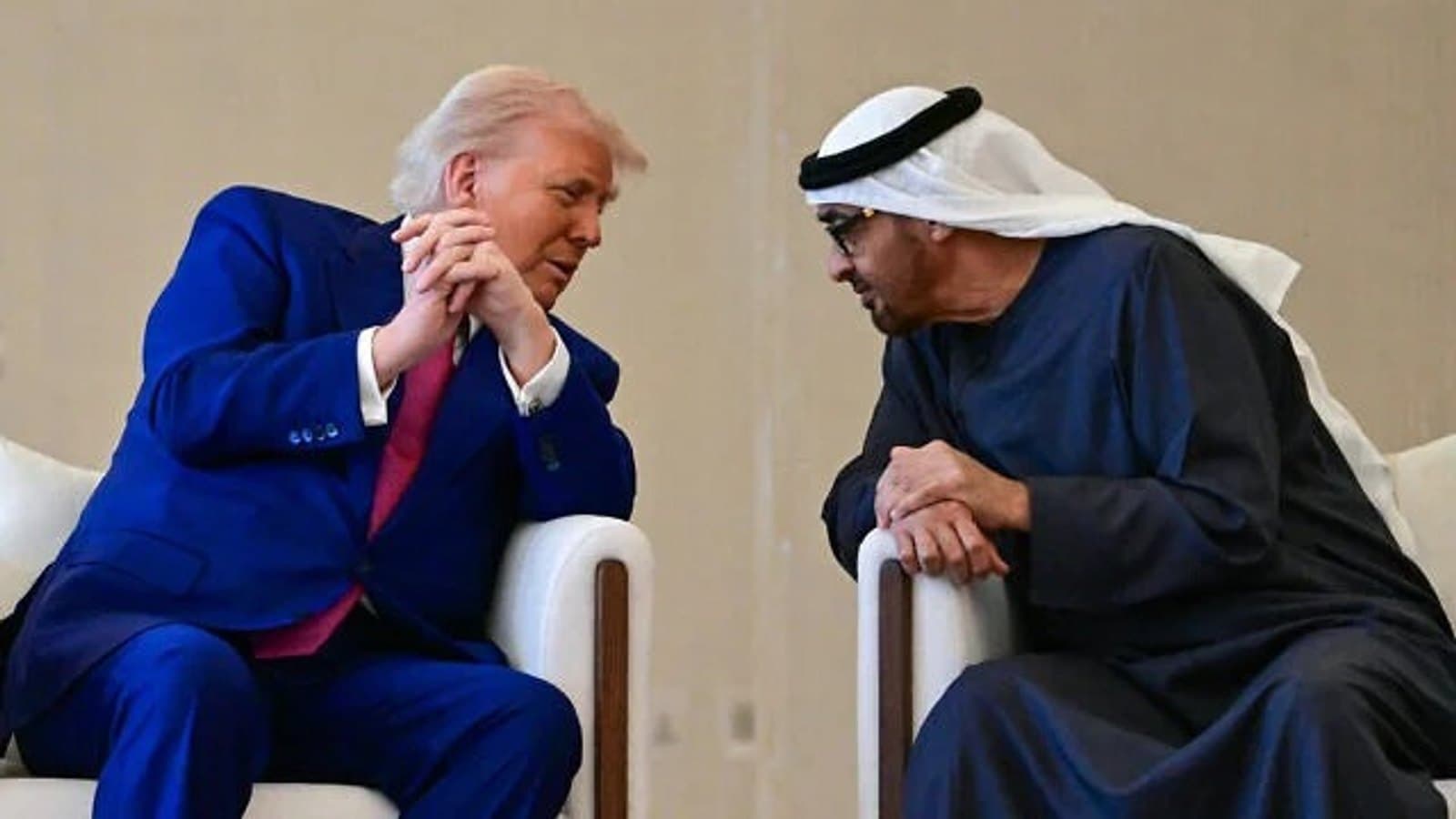
The United Arab Emirates lobbied President Donald Trump for more decisive action against Iran, according to a Wall Street Journal report carried by The Times of Israel. Saudi Arabia pushed him in the other direction, urging that no major attack be carried out. Both arrived at the same desk about the same weekend decision.
The Emirati case, as described, has three parts: American control of the Strait of Hormuz, a possible ground incursion into Iran, and an underlying judgment that the Revolutionary Guard will not move without escalation. That last point is the one doing the work. It is a claim about what the other side responds to, and it is the sort of claim that cannot be tested cheaply.
The UAE is not arguing from the sidelines. It has carried out its own strikes against Iran and has hosted Israeli air defence troops on its territory, which puts it among the parties that would absorb a response rather than merely watch one.
For Washington the split is the point. Gulf alignment is usually described as a bloc, and a bloc that wants opposite things on the central question of the moment is not one. Whichever way the decision goes, it disappoints an ally that expected to be heard.